
ChatGPT Now Runs Ads From Product Feeds. Here’s Why Organic Visibility Matters More
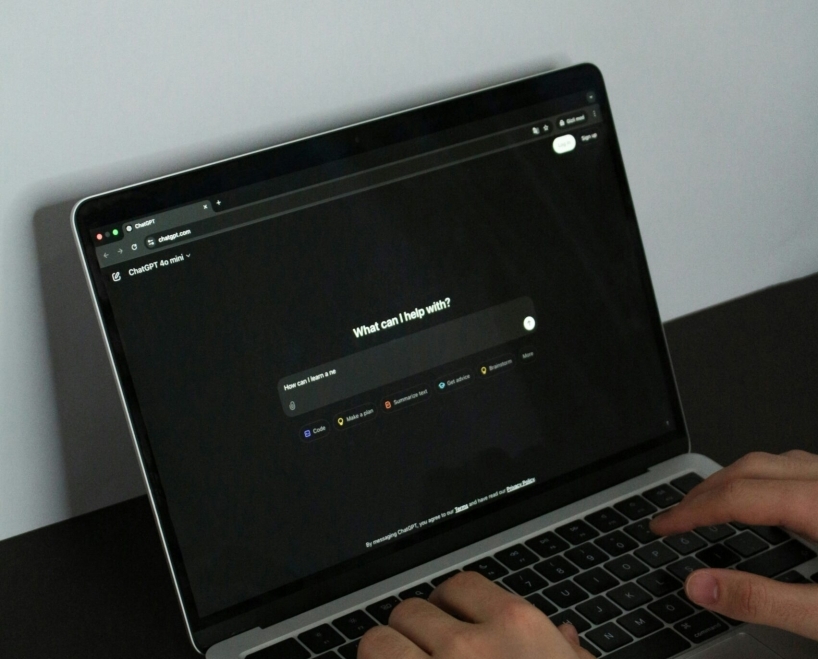
OpenAI just made two moves in the same week that changed the economics of showing up inside ChatGPT.
On May 5, they launched a self-serve Ads Manager that lets any U.S. business buy ads directly inside ChatGPT. No agency required. No minimum spend. CPC bidding alongside CPM. A Conversions API and pixel-based tracking so advertisers can actually measure what happens after someone clicks.
The platform went from an enterprise-only pilot at $200,000 minimums to something any mid-market team with a paid media budget can test.
Then, on May 12, they announced product feed ads. Retailers can now connect their product catalogues to ChatGPT and let the system automatically generate ads from product names, images, and attributes.
The same structured feed that powers Google Shopping campaigns can now power ChatGPT campaigns. Setup friction for e-commerce brands just dropped to almost nothing.
The reaction from most marketing teams will be to treat this as a new paid channel. Run some test budgets. Compare CPCs against Google. Evaluate conversion quality. That’s reasonable.
But if that’s all you do, you’re missing the structural difference between ChatGPT and every other ad platform you’ve ever used.
The Organic Answer Comes First. Always.
OpenAI has been explicit about a principle they call Answer Independence. Ads do not influence the answers ChatGPT gives.
The model generates its response based on what it determines is most helpful. The ad then appears below that response, clearly labelled as sponsored.
This is fundamentally different from Google, where paid results sit above organic results, and the visual distinction between them has blurred over the years of design changes.

In ChatGPT, the organic answer comes first. The ad comes second, for now!

That means two things happen in the same interface when a buyer asks a purchase-related question. First, the model tells the user what it thinks they should know. It names tools, makes comparisons, expresses preferences, and delivers a recommendation. Second, a sponsored placement offers an additional option below that response.
If the model’s organic response already names your competitor favourably, positions an alternative as the better fit, or describes your category in a way that excludes you, your ad is doing damage control. You’re paying to appear below a response that just told the buyer to look elsewhere.
If the model’s organic response names you accurately, positions you well, and gives the buyer a reason to investigate further, your ad reinforces that momentum. The buyer sees your name in the AI’s answer and then sees your sponsored placement confirming it. That’s a completely different conversion path.
The organic response sets the context. The ad operates within that context. You can buy visibility inside ChatGPT, but you cannot buy the credibility that comes from being in the model’s actual answer.
Product Feed Ads Make This Dynamic Even More Visible
Before today, the advertising inside ChatGPT was limited to a relatively narrow set of brand placements. The addition of product feed ads changes the scale.
E-commerce brands can now have their entire catalogue eligible for ad placement inside ChatGPT conversations. When a buyer asks about a product category, compares options, or describes what they need, the system can serve a relevant product ad pulled directly from the retailer’s feed.
That sounds like Google Shopping. And structurally, it is. But the difference is what sits above that ad.
In Google Shopping, the product listing appears alongside other listings. The buyer compares prices, reviews, and sellers across a grid. There is no editorial answer telling the buyer what to think before they see the ads.
In ChatGPT, the model has already answered the question. It has already named products it considers relevant. It has already made a recommendation or framed the comparison. The product feed ad appears after that narrative has been delivered.

A buyer who asks “what’s the best running shoe for flat feet under $150” will get an organic response from ChatGPT that names specific shoes, explains why they’re relevant, and possibly ranks them. Then they’ll see a product ad below that response.
If your product was in the organic answer, the ad reinforces the recommendation the buyer just received. If your product wasn’t in the organic answer but appears as an ad, the buyer is seeing a sponsored suggestion that contradicts or adds to what the model just told them. The trust dynamics of those two scenarios are completely different.
The Measurement Infrastructure Tells You Where Paid Works. It Doesn’t Tell You Where Organic Fails.
The self-serve Ads Manager now gives advertisers CPC bidding, conversion tracking through a pixel and CAPI, and campaign-level performance data. You can measure clicks, post-click actions, and attribute conversions back to your ChatGPT ad spend.
What you can’t measure through the Ads Manager is what ChatGPT said about you in the organic response that appeared above your ad. You can’t see whether the model recommended you, recommended a competitor, or left you out entirely. You can’t see how the organic narrative framed the buyer’s perception before they ever reached your ad.
This creates a blind spot that most paid media teams won’t immediately recognize. They’ll optimize bids, test creative, and analyze conversion rates. But if the organic response above their ad is working against them, every metric they see is worse than it should be, and they won’t know why.
The brands that will get the most out of ChatGPT ads are the ones that have already done the organic work. They know what the model says about them. They’ve structured their content so the model can accurately represent their product, their use cases, and their competitive positioning. When their ad appears below the organic response, it’s reinforcing a message the buyer already received.
What Organic Visibility Actually Requires in This Context
AI models don’t have the same inputs as search engines. They pull from your website, but they also pull from review platforms, help documentation, press coverage, product directories, and any other publicly indexed content. The answer they construct is a synthesis of everything the model has access to.
For product feed ads specifically, this creates an interesting dynamic. The same structured data that powers your ad also informs what the model knows about your product.
Product names, descriptions, attributes, pricing, and compatibility data all feed into both the organic answer and the paid placement. But the organic answer also draws from sources you don’t control: reviews on G2 or Trustpilot, competitor comparison pages, press coverage, and user-generated content.
Brands that want organic visibility in ChatGPT need to work on several things simultaneously.
Your product pages need to answer the specific questions buyers ask in plain, structured language. Which integrations do you support? Which company sizes do you serve? What does implementation look like? How does pricing work?
If a buyer tells ChatGPT they need a tool that integrates with Salesforce, works for teams under 50 people, and costs under $500 per month, the model is matching that against whatever structured information it can find. Vague positioning doesn’t give it what it needs to include you.
Your review presence matters more than most teams realize. For evaluation queries where a buyer asks whether your product is worth purchasing or how it compares to an alternative, third-party review platforms consistently lead the sources ChatGPT draws from. The volume, recency, and specificity of reviews on G2, Capterra, and Trustpilot are shaping these responses. A thin or outdated review record hands the evaluation narrative to whoever does show up.
Your competitive content needs to exist. Buyers searching for alternatives to your competitors represent warm, in-market demand. If a competitor is known for a specific feature and you have the same capability or a better version of it, that comparison needs to exist on your site in a form the model can find. Brands that have clearly documented how they compare, which use cases they’re better suited for, and what customers who switched have experienced are the ones that get named in those responses.
And your content needs to be technically accessible to AI crawlers. Most AI crawlers don’t render JavaScript. If your product names, pricing, feature lists, or comparison tables only appear after client-side rendering, the model can’t see them. Critical content needs to be in the page’s response HTML.
The Real Strategic Question
ChatGPT processing 2.5 billion prompts daily, with ads now serving across free and Go-tier users, means this is a real commercial environment. The addition of product feed ads makes it a scalable one. Performance marketers will test it. E-commerce brands will connect their catalogues. Budgets will flow in.
But the brands that treat ChatGPT purely as an ad channel are going to underperform the brands that treat it as an environment where organic and paid work together.
Run the audit before you run the campaign. Open ChatGPT and run the queries your buyers actually run. The problem-aware queries about your category. The evaluation queries about your brand. The comparison queries against your competitors. The “alternatives to [competitor]” queries are where you should be appearing. Read the full responses. Note which sources are cited, where your brand appears, what the model says about you, and whether any of that matches your actual positioning.
Then decide where your budget should go. If the organic answer already positions you well, ads will amplify that. If the organic answer is working against you, fix that first. No amount of ad spend will overcome a model that just told the buyer your competitor is a better fit.
The brands that win in this environment are the ones that understand the organic response is the foundation. Ads are the accelerant. Getting the order wrong means you’re paying to amplify a narrative you didn’t build and might not want.
Published on May 14, 2026
Last Updated on May 27, 2026
Your buyers are already asking AI who to trust. Let's make sure they find you.


Continue reading


Google Just Launched AI Performance Reports in Search Console
